
The World Is Trading Strikes Between Iran and the United States. Here Is What the Church, and Every Leader Watching, Cannot Afford to Miss
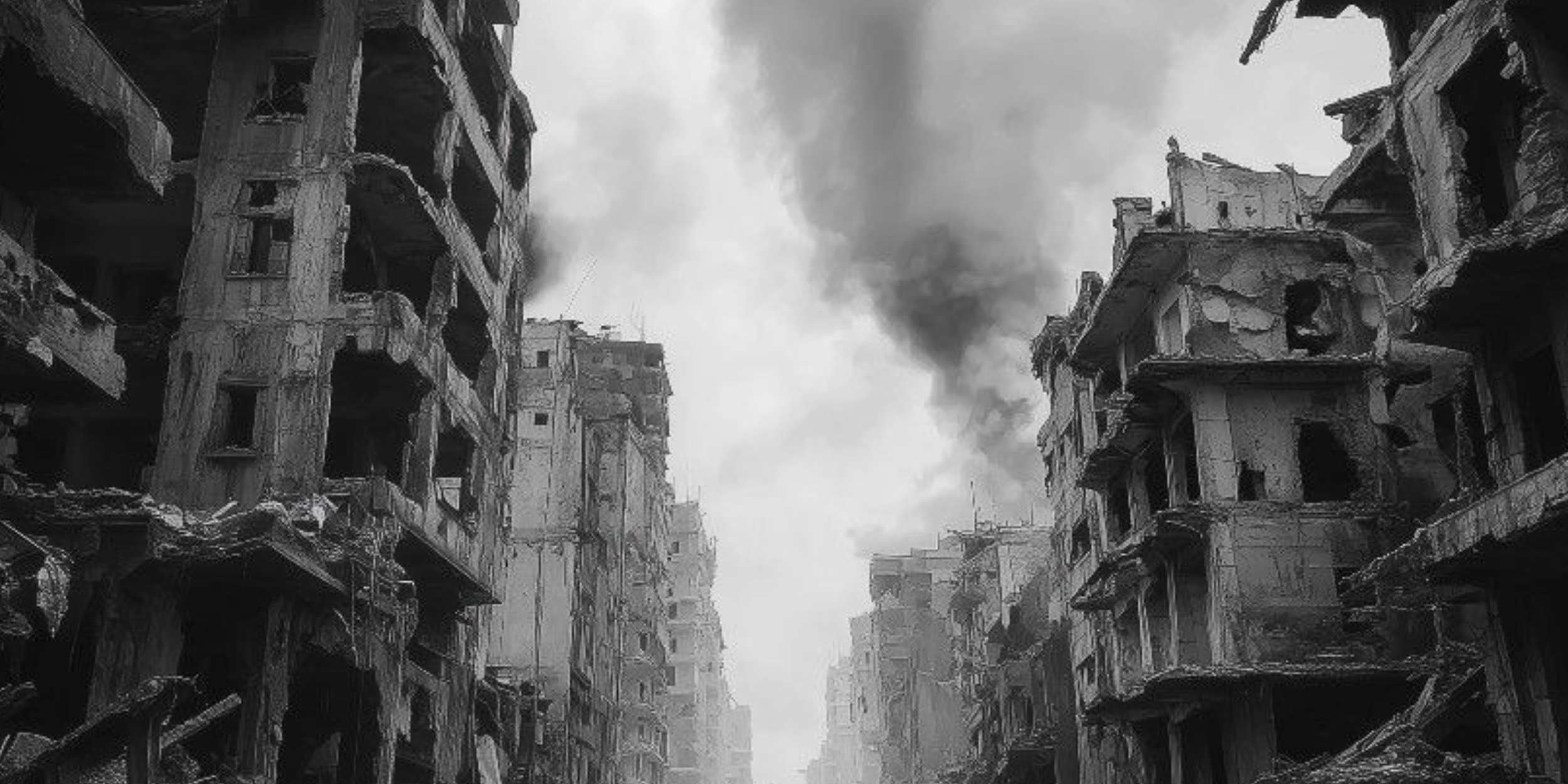
Oil prices are moving again. Not because of a normal market cycle, but because of missiles.
Over the past week, the United States has struck well over a hundred targets inside Iran. Iran has answered with fire on Gulf bases and on ships passing through the Strait of Hormuz. A ceasefire signed just weeks ago has been declared over by one side, while both sides quietly say talks are still possible. Mediators are working behind the scenes even as strikes continue in front of the cameras. Brent crude jumped nearly four percent in a single day. Four countries reported intercepting missiles that entered their airspace. And somewhere in the middle of all of it, a funeral for a fallen leader drew crowds chanting things that should stop every praying person in their tracks.
This is not a distant headline anymore. It is shaping oil prices, shipping routes, market volatility, and the anxiety of anyone trying to lead a business or a family through an unstable year.
So here is the honest question I want to ask before I say anything else. Are we watching this only as news, or are we watching it as an invitation to pray?
Scripture never promised us a world without this kind of noise. Jesus told His disciples plainly, "You will hear of wars and rumors of wars. See that you are not alarmed, for this must take place, but the end is not yet." He did not say it would not happen. He said do not let it hijack your peace when it does.
That is a hard word for a week like this one. But it is the right one.
Here is what I believe we are being called to in a moment like this, and it is bigger than simply having an opinion about who struck first.
We are called to remember who is actually sovereign over nations. Daniel wrote, while living through his own empire's turmoil, that it is God "who changes times and seasons; he removes kings and sets up kings." Not CENTCOM. Not any single administration. Not any regime. Isaiah went even further and said the nations are like a drop in a bucket, like dust on the scales, to the One who sits enthroned above the earth. That is not a statement that international conflict does not matter. Lives are being lost, families are being displaced, and that grieves the heart of God. It is a statement that no nation, however powerful, is writing the final chapter of this story. He is.
We are called to actually pray for leaders, not just criticize them. Paul instructed Timothy that petitions and intercessions should be made "for kings and all who are in high positions, that we may lead a peaceful and quiet life, godly and dignified in every way." Notice that instruction was not conditional on agreeing with those leaders. It was not written for leaders Paul personally endorsed. It is a direct command to intercede for the people making decisions that ripple across millions of lives, whether we voted for them or not, whether we are proud of their choices or not.
We are called to be peacemakers in a world addicted to escalation. Jesus said, "Blessed are the peacemakers, for they shall be called sons of God." Not the loudest commentators. Not the most confident predictors of what happens next. The peacemakers. In your own sphere of influence, whatever that looks like this week, are you adding heat to an already burning conversation, or are you carrying something cooler into the room?
We are called to let this moment recalibrate what we are actually anchored to. If a week of headlines about strikes and oil spikes can shake your peace more than the promises of God can settle it, that is worth noticing. Paul wrote from a prison cell, not a peaceful office, when he said, "do not be anxious about anything, but in everything by prayer and supplication with thanksgiving let your requests be made known to God. And the peace of God, which surpasses all understanding, will guard your hearts and your minds in Christ Jesus." That peace was never meant only for calm seasons. It was written for exactly this kind of week.
I will not pretend to have a political answer for what happens next in the Gulf. Analysts are still debating whether talks will resume or whether this escalates further, and reasonable people are watching the same reports and reaching different conclusions about what should happen next.
But I do know this. The church cannot afford to be silent, numb, or merely entertained by geopolitics right now. We are called to be awake, to be praying, to be peacemakers in our own circles, and to be people whose stability does not rise and fall with the price of oil or the headline of the hour.
Wars and rumors of wars will keep coming until the day they finally stop for good. The question was never whether we would hear about them. The question is what kind of people we will be while we do.
Where is your peace anchored this week? I would love to hear how you and your team are staying steady while the world around you feels anything but.